



Study tour – A closer look at the technology
Reliable plants, dedicated operators and the opportunity to discuss current projects with specialists. There was plenty to take home when Aquagain travelled to Germany with a group of wastewater professionals on 21–22 October.
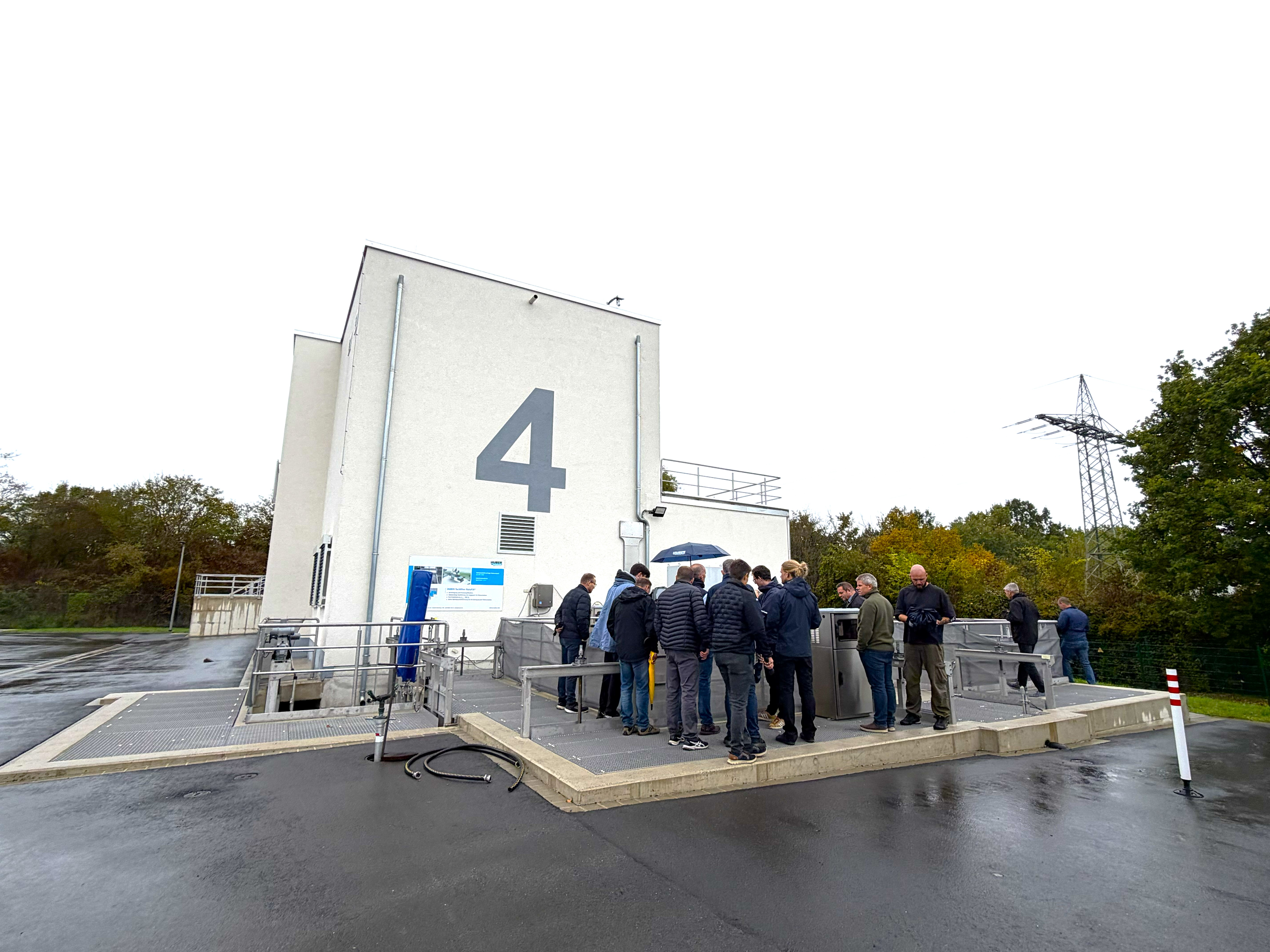
At Bickenbach wastewater treatment plant, we took a closer look at technologies for tertiary and quaternary treatment.
It works – in everyday operation too
For Jeppe Bregendahl, Team Leader at Envidan, the trip provided a broader understanding of HUBER’s product portfolio. But the conversations with the operators made a particular impression.
“It was really convincing to hear the operators’ experiences. They were happy with their plants, the equipment was easy to maintain, and it required little staff time. At the same time, it met both expectations and process guarantees. That is exactly what you want to hear when you are planning new solutions.”
There was time to explore the details: What works particularly well? What limitations should you be aware of? And what needs to be considered from the outset? The open discussions helped participants understand both the solutions and the decisions behind them.
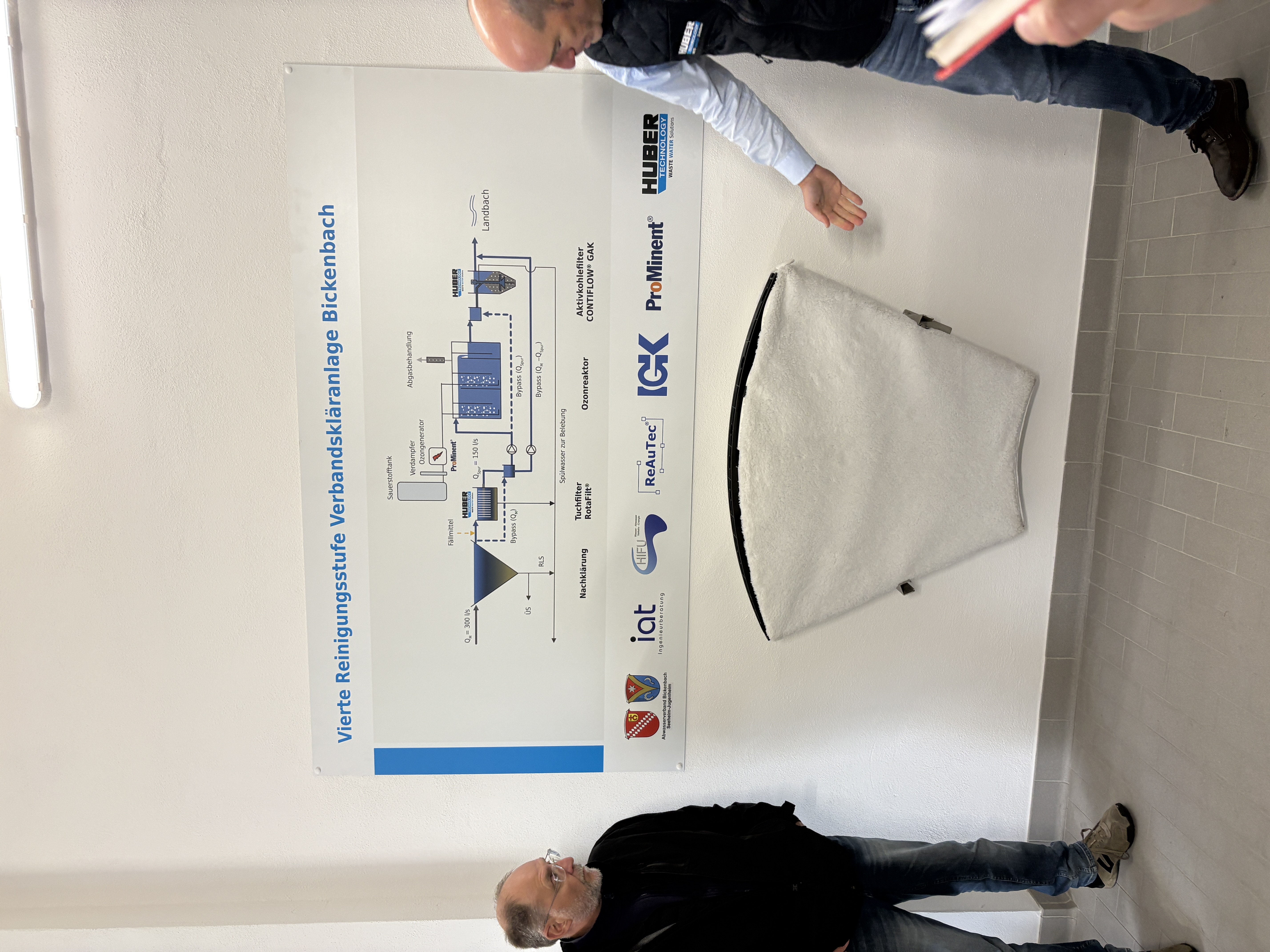
At Bickenbach, Jeppe was particularly interested in the pile cloth filter and the interaction between filtration, ozonation and activated carbon.
“It was enormously interesting to see the three technologies in operation and understand how the entire treatment train works together – including the hydraulics. These are solutions we will be working with more in Denmark. Here, we could see them working and ask questions of the people with hands-on experience. That gives you a great deal to take home.”
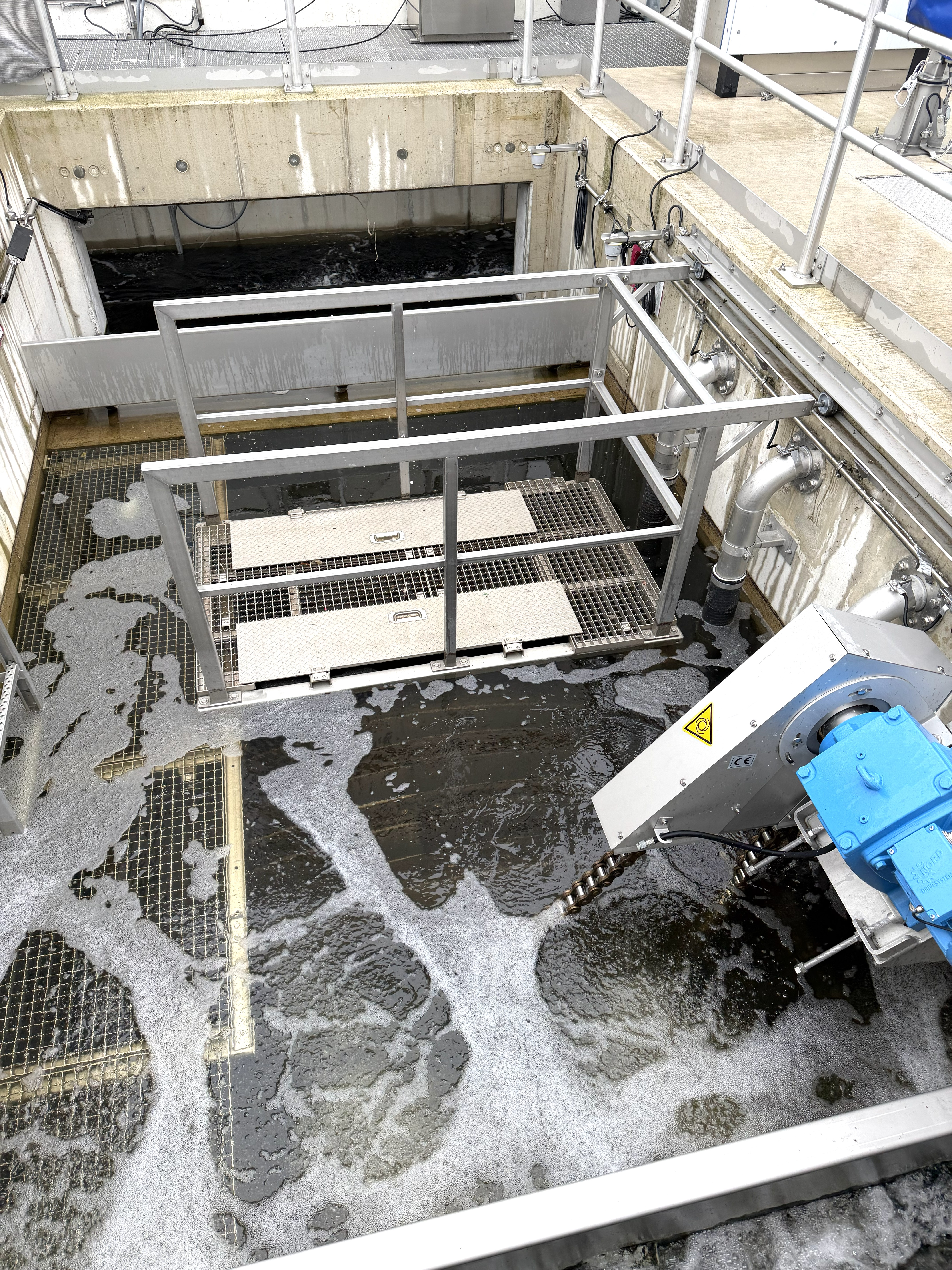
The HUBER RotaFilt® pile cloth media filter was one of the technologies participants explored during the trip. It uses a three-dimensional filter cloth with a large active surface area to retain fine particles. It can be used for polishing after biological treatment and as prefiltration for quaternary treatment, where water quality affects the subsequent treatment stages.
An award winner with a curious mind
Another participant was Jørgen Skaarup from Hillerød Forsyning. Jørgen received Kemira’s Water Environment Award 2025 in recognition of his many years of service to the wastewater sector. His work on full-scale quaternary treatment and his commitment to sharing knowledge were among the reasons for the award. He chose to spend part of the prize money on the study tour to Germany.
At Bickenbach, Jørgen was particularly impressed by the work on ozonation and activated carbon. The plant and HUBER had investigated how different ozone doses affect the interaction between the two processes. The results showed that a higher dose could increase ozonation’s contribution to degradation and significantly reduce the load on the downstream activated carbon filters.
“Truly pioneering work by our German colleagues at HUBER,” is Jørgen’s assessment.
That recognition comes from someone who has worked extensively with these very questions. For Jørgen, it was therefore particularly interesting to see the German results, which point in the same direction as Hillerød Forsyning’s own investigations. This gave the visit particular technical value: concrete findings to take home and build on – even for someone who has already helped bring quaternary treatment into full-scale operation in Denmark.
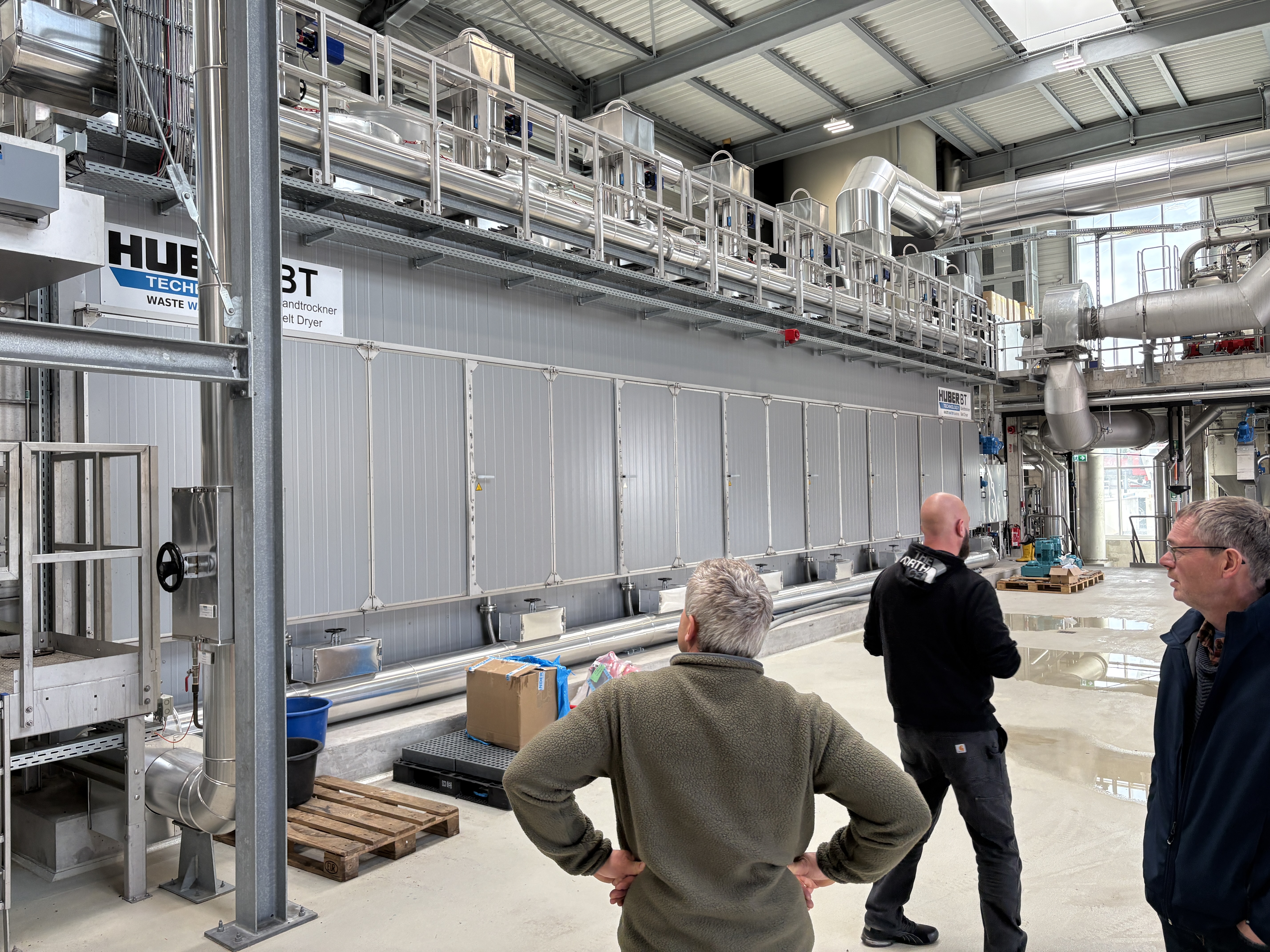
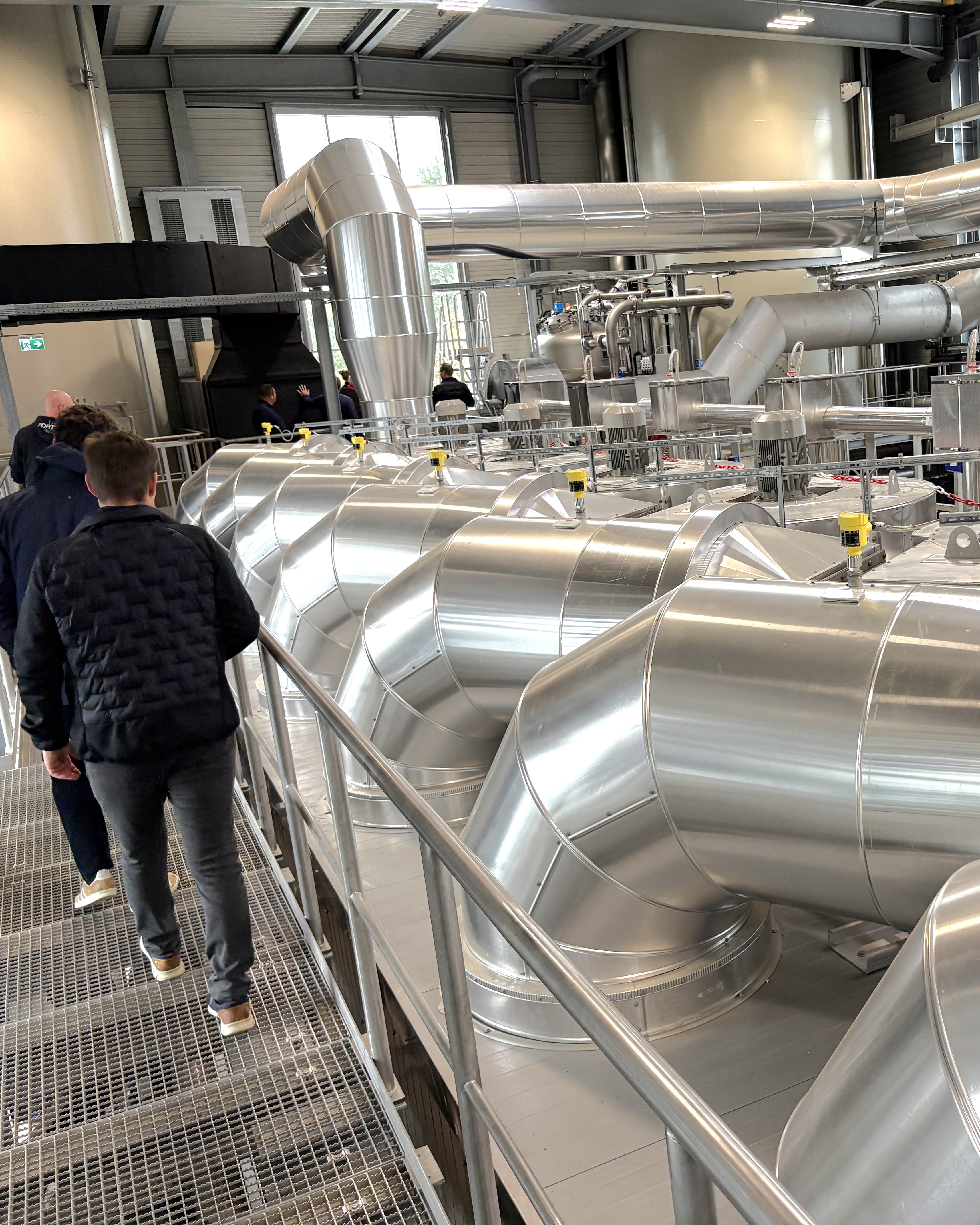
At Erlangen wastewater treatment plant, we learned about the plant’s sludge handling and subsequent sludge drying. There was time to follow the processes, explore the details and hear from the people who work with the plant every day.
More than inspiration – insights for a current project
For Jeppe Bregendahl, the visit was directly relevant to a project he is currently working on. Together with a client who also joined the trip, he is exploring options for the client’s future sludge handling.
“It was a unique opportunity. We had the client with us, we had our questions from a current project, and we were there with the technology supplier, who had specialist knowledge of the solution. Being able to explore the options and develop our thinking together in that way was enormously valuable.”
There are different approaches to sludge drying, depending on the plant’s needs and circumstances. During the trip, participants also learned about the container-based HUBER Cold Air Dryer HPS®, which uses integrated heat pump technology. It dries dewatered sludge into granules, reducing the mass that needs to be stored, transported and handled afterwards.
Shared knowledge, fresh perspectives
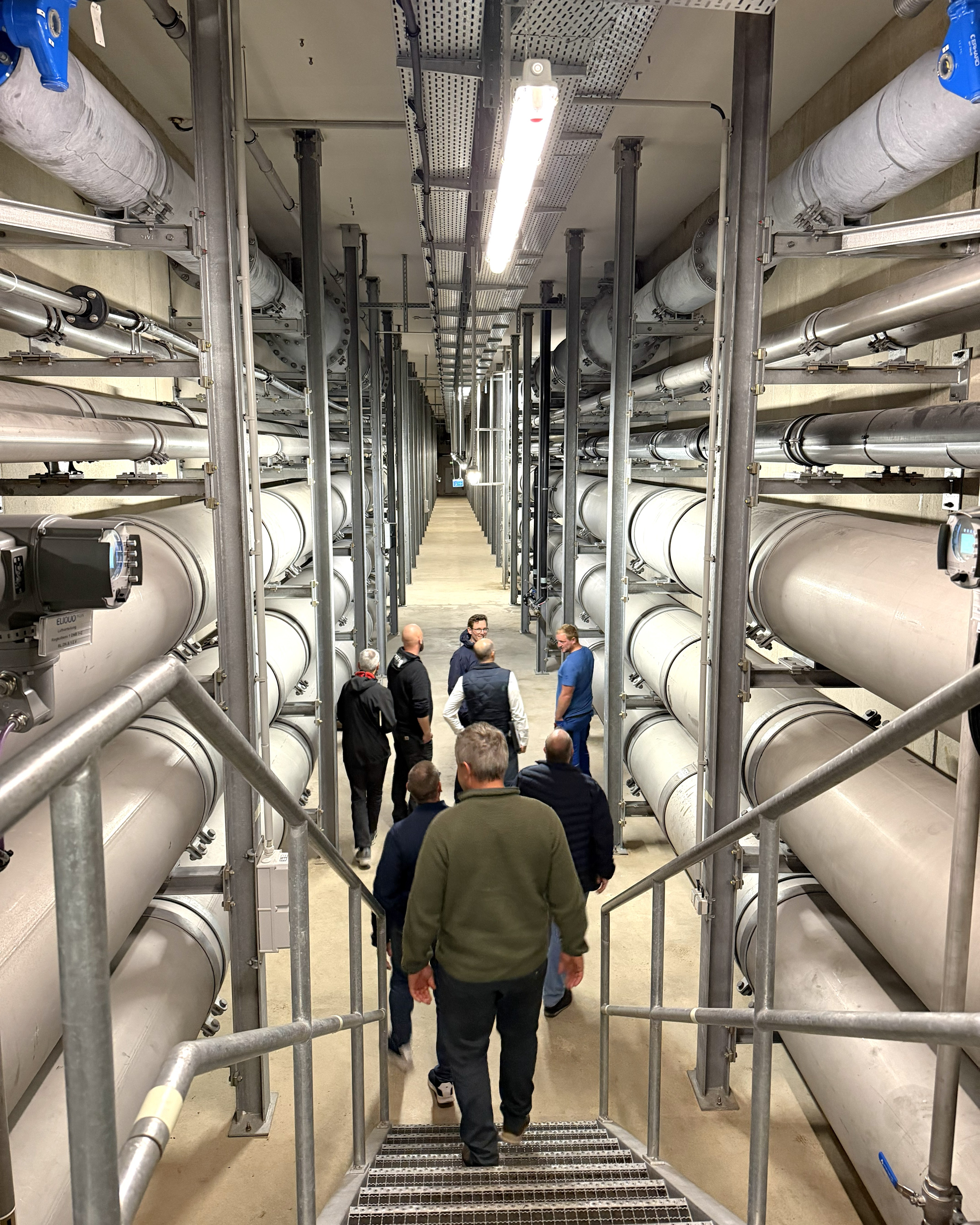
The opportunity to explore different solutions and discuss them with both operators and specialists was an important part of the trip. These are the kinds of professional exchanges we want to create at Aquagain – helping clients and consultants find inspiration for their upcoming projects.
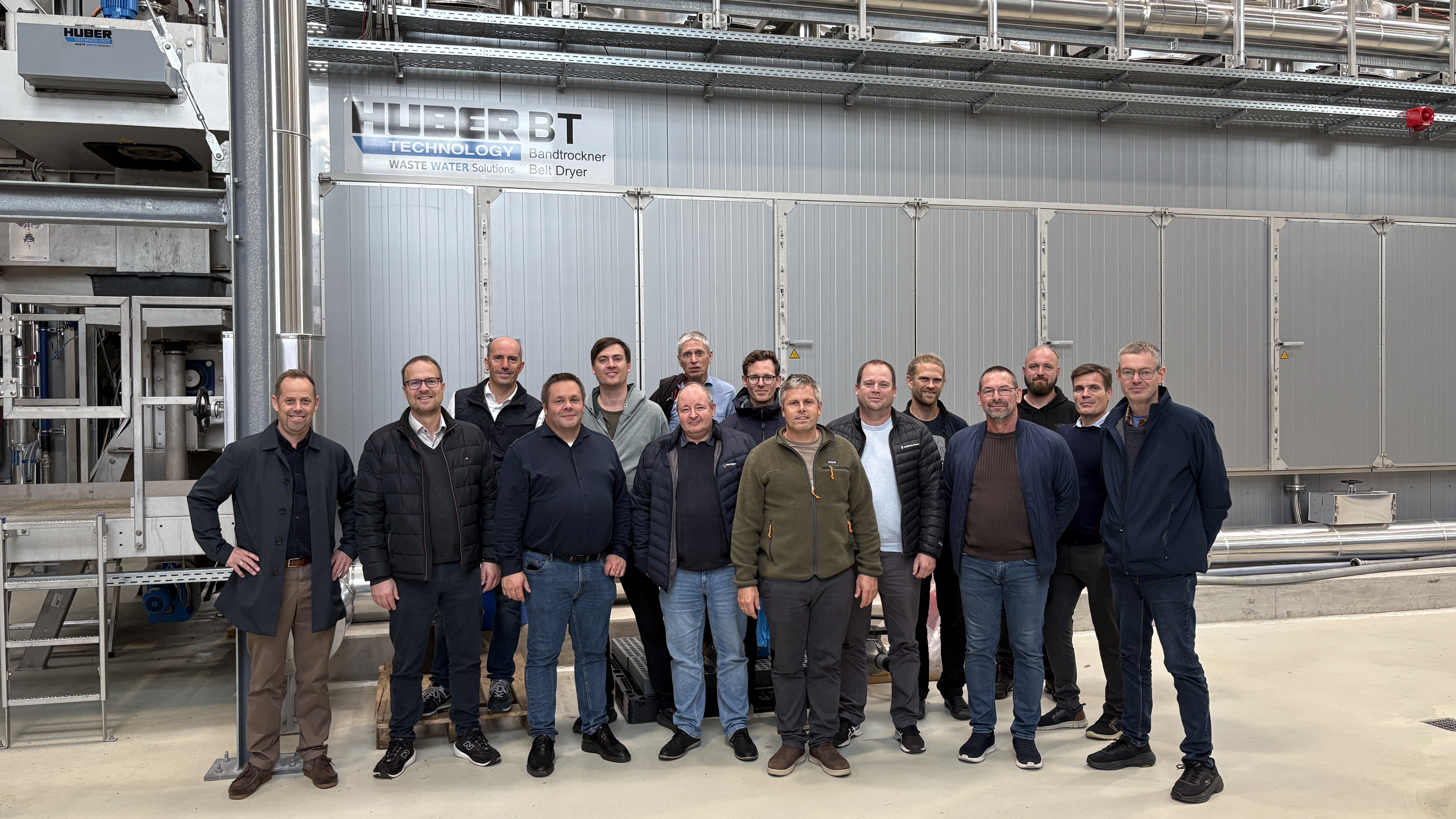
Thank you to all participants, HUBER and our hosts at the plants for two days of technical insights, valuable discussions and good company.
We would be happy to arrange further study tours, bringing us closer to the technology and giving us the opportunity to learn from one another’s experiences.
Please get in touch if you are interested in joining a future tour.
Want to know more about study tour with Aquagain
- Call us and we will be happy to help


Aquagain Folding Smed A/S • Vælding Bjergvej 4 • 6650 Brørup, Denmark • CVR no 54249616 • Tel. +45 75 38 13 30